
Emotional abuse in relationships rarely announces itself the way people expect.
There’s usually no dramatic moment where someone says, “I’m about to psychologically manipulate you for the next two years.”
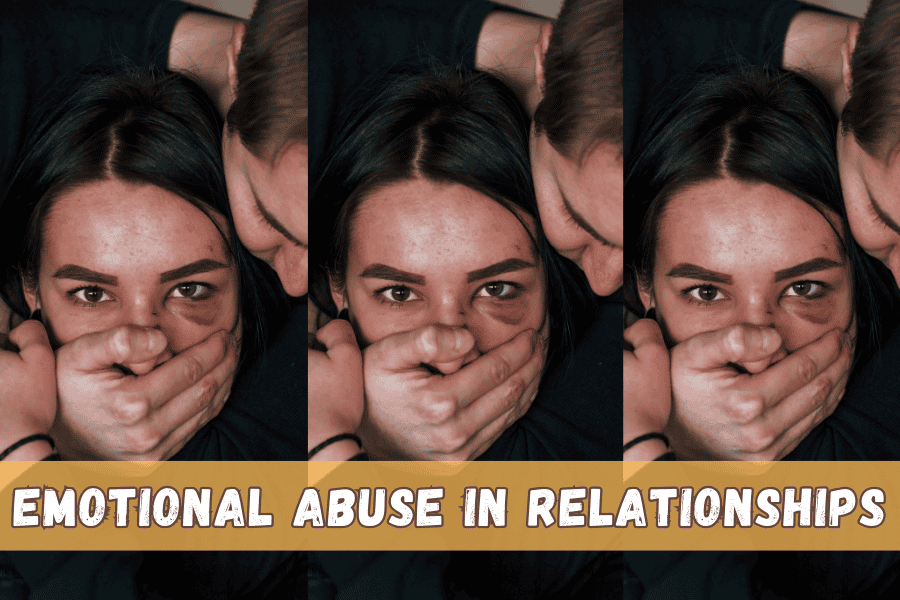
Instead, it shows up quietly.
It sounds like:
- “You’re too sensitive.”
- “You always make things bigger than they are.”
- “I never said that.”
- “You’re the reason I act like this.”
And somehow, by the end of the conversation, you’re apologizing for reacting to something that clearly hurt you.
Strange how that works.
For many people, emotional abuse in relationships doesn’t feel obvious at first. It feels confusing. One minute the relationship feels loving, and the next minute you’re questioning your memory, your reactions, or even your sanity.
That confusion isn’t accidental.
Emotional abuse thrives on making people doubt their own reality.
This post breaks down what emotional abuse in relationships actually looks like, including:
- The real patterns behind emotional manipulation
- Common signs of emotional abuse many people overlook
- How emotional abuse affects mental health and self-worth
- Support resources available for people experiencing abuse
- And practical steps on how to leave an emotionally abusive relationship
Because emotional abuse isn’t “just arguments.”
And if you’ve spent months or years wondering whether you’re the problem in your relationship…
There’s a good chance the situation deserves a much closer look. This blog post will touch on emotional abuse in relationships, the signs.impact, and how to leave.
What Is Emotional Abuse in Relationships?
Emotional abuse in relationships involves repeated behaviors that manipulate, control, shame, or psychologically harm another person.
Unlike occasional arguments, emotional abuse follows patterns. These patterns are meant to destabilize someone emotionally so the abusive partner maintains power.
And unfortunately, emotional abuse often starts subtly.
It might begin with criticism disguised as “jokes,” controlling behavior framed as “care,” or emotional withdrawal used as punishment.
Over time, these behaviors escalate until the relationship begins revolving around the abusive partner’s moods, reactions, and expectations.
Understanding Emotional Abuse
Emotional abuse isn’t random. It’s built on patterns and control dynamics that slowly reshape the relationship.
Patterns
One of the clearest indicators of emotional abuse in relationships is repetition.
Healthy relationships have occasional disagreements, but abusive relationships follow predictable cycles.
For example:
- An argument happens.
- The abusive partner blames you.
- They minimize the issue.
- They might apologize just enough to keep the relationship going.
- The behavior repeats.
Eventually, the victim begins walking on eggshells to avoid triggering conflict.
And when someone constantly has to manage another person’s emotions just to keep the peace, the relationship is no longer healthy.
Control Dynamics
Emotional abuse is often about control.
This control can show up in ways that initially seem small:
- Monitoring your behavior
- Criticizing your choices
- Making you feel guilty for setting boundaries
- Dictating how you should act
Over time, these behaviors restrict independence and create a power imbalance.
The abusive partner becomes the authority in the relationship while the other person slowly loses their voice.
Psychological Impact
One of the most damaging aspects of emotional abuse is how it reshapes a person’s perception of themselves.
Victims often begin to believe the abusive partner’s narrative:
- That they’re difficult
- That they’re overly emotional
- That they’re lucky the other person “puts up with them”
In reality, this narrative is often manufactured to maintain control.
And unfortunately, many people don’t recognize emotional abuse until their confidence has already been deeply affected.
Signs of Emotional Abuse
Emotional abuse doesn’t always look dramatic from the outside.
In fact, many abusive dynamics appear normal until you start noticing the patterns.
Here are some common signs of emotional abuse in relationships.
Verbal Degradation
Verbal degradation includes insults, humiliation, and constant criticism.
This might sound like:
- “You’re embarrassing.”
- “No one else would deal with you.”
- “You’re lucky I’m still here.”
Sometimes these comments are disguised as jokes.
But if someone repeatedly tears down your confidence, that’s not humor. That’s emotional harm.
Silent Treatment
The silent treatment is a form of emotional punishment.
Instead of addressing conflict directly, the abusive partner withdraws communication entirely.
They might ignore messages, refuse to acknowledge your presence, or deliberately create emotional distance.
The goal is simple: make you anxious enough to chase reconciliation.
And once someone is trained to chase validation, the power dynamic shifts completely.
Gaslighting
Gaslighting is one of the most damaging forms of emotional abuse.
It occurs when someone manipulates situations to make you question your memory or perception.
Examples include:
- “That never happened.”
- “You’re imagining things.”
- “You’re crazy.”
Over time, gaslighting erodes confidence in one’s own judgment.
Victims begin relying on the abusive partner to define reality.
Threats and Intimidation
Threats don’t always involve physical violence.
Emotional abusers often use intimidation tactics such as:
- Threatening to leave suddenly
- Threatening to expose personal information
- Threatening to take away financial support
Even subtle intimidation can create fear and compliance within the relationship.
Financial Control
Financial control is another tactic used to maintain power.
This may include:
- Restricting access to money
- Monitoring spending
- Preventing a partner from working
Financial dependence makes leaving significantly more difficult.
And many abusive relationships rely on this exact barrier.
Isolation
Isolation occurs when the abusive partner gradually disconnects someone from their support system.
This might involve:
- Criticizing friends or family
- Creating conflict around social interactions
- Making the victim feel guilty for spending time with others
Once isolation occurs, the abusive partner becomes the primary emotional influence.
And that’s exactly the environment emotional abuse thrives in.
How Emotional Abuse Impacts Mental Health
The psychological impact of emotional abuse in relationships can be severe and long-lasting.
Many victims experience mental health struggles that continue even after the relationship ends.
Common effects include:
Anxiety
Constant tension and fear of conflict often lead to chronic anxiety.
Victims may feel constantly alert, anticipating emotional attacks or criticism.
Hypervigilance
Many survivors become extremely aware of other people’s moods and reactions.
This hypervigilance develops as a survival mechanism but can remain long after the relationship ends.
Low Self-Worth
Repeated criticism and manipulation slowly erode confidence.
Victims may begin to believe they are the problem in the relationship.
Trauma Bonding
Trauma bonding occurs when cycles of affection and mistreatment create emotional dependency.
Moments of kindness from the abusive partner become powerful reinforcements, making it difficult to leave even when the relationship is clearly harmful.
Support and Resources
Leaving or recovering from emotional abuse often requires support.
No one should have to navigate this process alone.
Fortunately, there are several resources available.
Therapy Options
Therapy can help survivors process emotional trauma and rebuild self-confidence.
Trauma-informed therapists specialize in helping individuals recover from abusive dynamics and develop healthier relationship patterns.
Therapy can also help identify trauma bonds and rebuild personal boundaries.
Domestic Violence Hotlines
Domestic violence hotlines provide confidential support for individuals experiencing abuse.
These services can offer:
- Safety planning
- Emotional support
- Resource referrals
In the United States, the National Domestic Violence Hotline provides 24/7 support.
Community Support Groups
Support groups allow survivors to connect with others who have experienced similar situations.
These communities provide validation, shared experiences, and emotional support during recovery.
Many survivors report that hearing others’ stories helps break the isolation emotional abuse creates.
Online Resources
Online platforms also provide educational content and support networks.
Many survivors begin their healing journey by learning about emotional abuse patterns and recognizing that their experiences are valid.
Education often becomes the first step toward reclaiming independence.
How to Leave an Emotionally Abusive Relationship
Leaving an emotionally abusive relationship is rarely simple.
Emotional abuse creates confusion, guilt, and psychological attachment that complicate the decision to leave.
But healing often begins with recognizing that the situation will not improve without major change.
Safety Planning
Safety planning involves preparing for potential risks when leaving a relationship.
This might include:
- Identifying safe places to stay
- Informing trusted friends or family
- Securing important documents
Planning ahead reduces vulnerability during the transition.
Emotional Preparation
Leaving emotionally abusive relationships often triggers intense emotional responses.
Victims may experience:
- Guilt
- Doubt
- Fear of loneliness
These feelings are normal.
And they don’t mean the relationship was healthy.
Practical Exit Strategy
Practical preparation can make the transition smoother.
This may involve:
- Building financial independence
- Securing housing
- Creating physical distance from the abusive partner
Even small steps toward independence can shift the power dynamic.
Post-Exit Healing Steps
Healing after emotional abuse requires time and patience.
Recovery may include:
- Therapy
- Journaling
- Rebuilding social connections
- Learning healthy relationship patterns
Most importantly, healing involves rediscovering one’s own voice.
Something emotional abuse often tries to silence.
Overview
Emotional abuse in relationships can be difficult to recognize, especially when manipulation and gaslighting blur the lines between conflict and control.
But if a relationship repeatedly leaves you feeling confused, ashamed, or diminished, it’s worth paying attention to those feelings.
Healthy relationships don’t rely on fear, guilt, or emotional instability to function.
And no one deserves to stay in a dynamic where their emotional well-being is constantly undermined.
If you’re currently navigating emotional abuse, seeking support can be an important first step toward clarity and healing.
You may also find it helpful to explore additional resources on The Journal Experience, including guides on:
- Recognizing toxic relationship patterns
- Understanding trauma bonding
- Rebuilding self-worth after emotional abuse
Because healing doesn’t begin when someone else changes.
It begins when you stop pretending their behavior is normal.