The past tends to linger for a reason. When an experience carried strong emotions — love, betrayal, confusion, hope, or disappointment — your brain doesn’t simply file it away and forget it. Instead, it keeps replaying pieces of it, trying to make sense of something that may never have had a clear explanation.

For many people, this attachment is connected to trauma bonding or emotionally intense relationships. When affection, confusion, and emotional highs and lows exist in the same relationship, it creates a bond that can be difficult to break even after the situation ends.
Your mind might understand that something is over.
But your emotions are still trying to understand why it happened in the first place.
That’s where journaling becomes powerful. Writing gives your thoughts somewhere to go instead of letting them endlessly replay in your head. Using guided prompts allows you to reflect honestly, process unresolved emotions, and gradually create emotional distance from experiences that once felt overwhelming.
In this guide, you’ll find 30 journal prompts for letting go of the past designed to support emotional healing, personal growth, self-awareness, and a healthier mindset moving forward.
Because sometimes letting go doesn’t start with forgetting.
Sometimes it starts with finally allowing yourself to process the truth about what happened.
Why Letting Go of the Past Is So Difficult
Emotional Attachment and Memory Loops
One reason people struggle to move forward is because emotional memories tend to replay in the mind like unfinished conversations. When an experience carries strong emotions, your brain stores it more deeply than ordinary events.
That’s why certain moments come back unexpectedly.
A text message you remember too clearly.
A conversation you wish had gone differently.
A moment where something didn’t feel right but you ignored it.
Your brain revisits these memories because it’s trying to make sense of something unresolved.
You might catch yourself asking questions like:
- Why did they treat me that way?
- Was any of it genuine?
- Did I miss warning signs?
- Would things be different if I reacted differently?
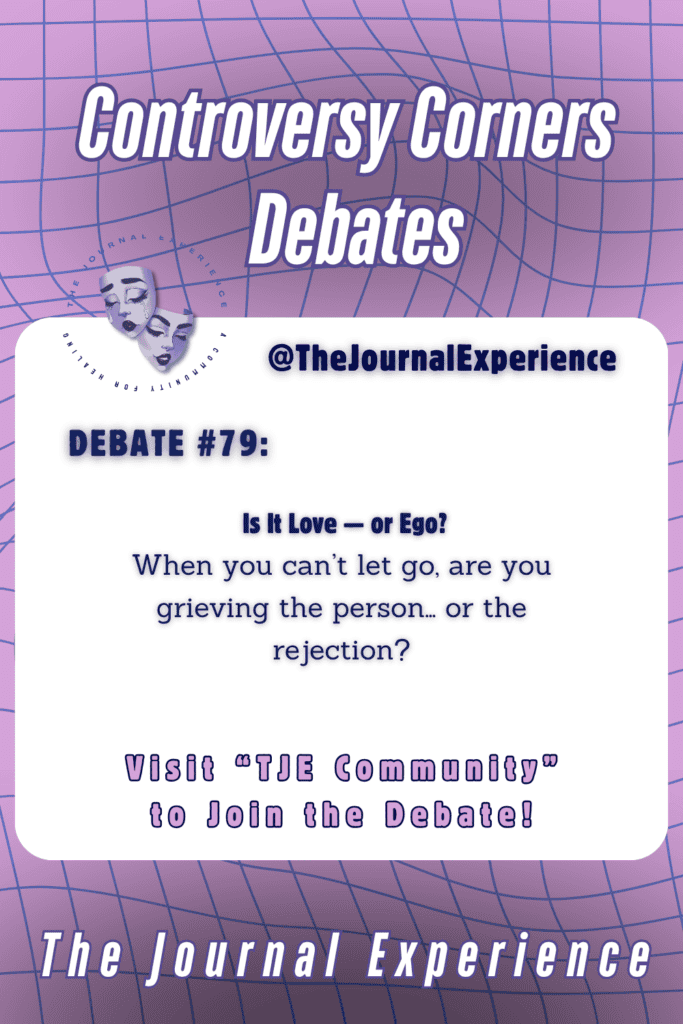
These types of thoughts can create mental loops where your mind keeps replaying the past in search of closure.
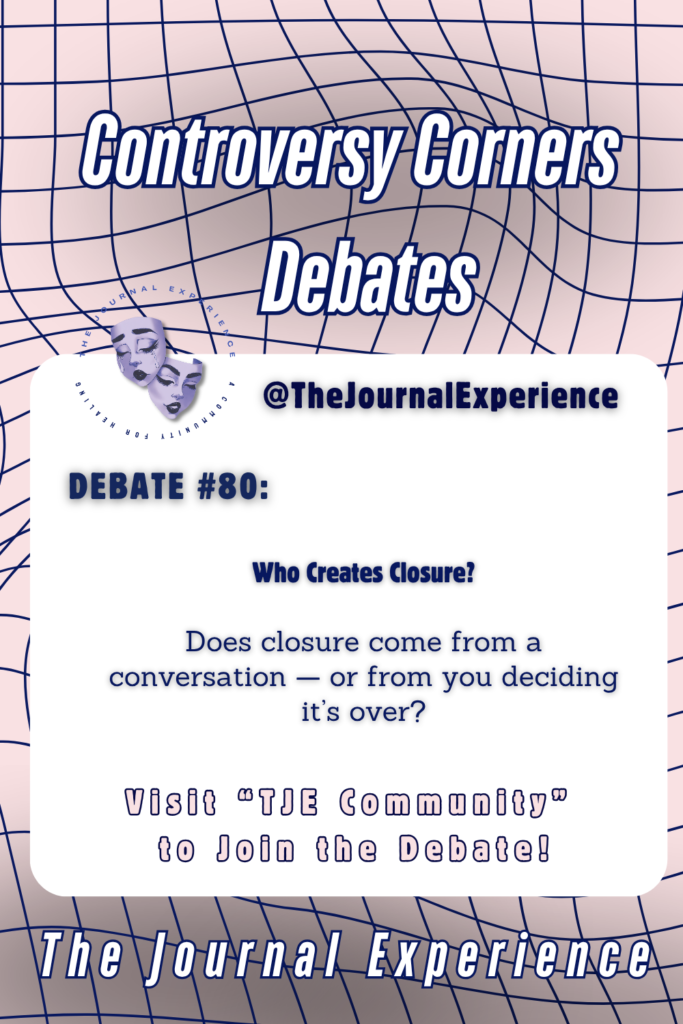
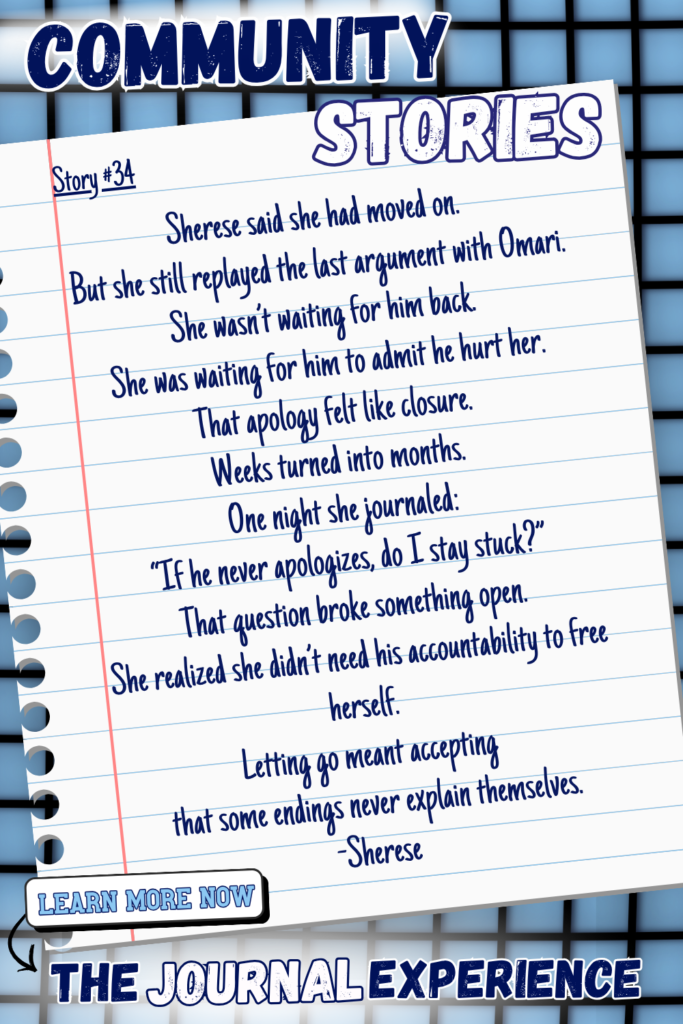
Unfortunately, closure doesn’t always come from the other person involved. Sometimes the only real closure comes from understanding your own experience clearly enough to release it.
Trauma Bonding and Emotional Attachment
For some people, the difficulty of letting go is connected to trauma bonding.
Trauma bonds form when a relationship includes cycles of emotional highs and lows. One moment there may be affection or validation, and the next moment there may be confusion, criticism, or emotional distance.
This pattern can create an attachment where emotional intensity becomes associated with connection.
As a result:
- People replay positive moments hoping they will return
- They question negative experiences instead of trusting their instincts
- They stay emotionally attached long after the relationship has ended
Journaling helps break this cycle because writing slows down your thoughts and allows you to examine experiences more objectively.
Instead of replaying memories endlessly, journaling helps you process them intentionally.
The Role of Identity in Holding On
Another reason the past can be difficult to release is because certain experiences become connected to your sense of identity.
Sometimes people hold onto memories because those experiences shaped what they believed about themselves.
Maybe you believed loyalty meant staying through anything.
Maybe you believed love meant being patient while someone figured themselves out.
Maybe you believed helping someone heal was proof of your commitment.
When those beliefs are challenged, it can create emotional confusion.
If the relationship wasn’t what you thought it was…
If the person behaved differently than you expected…
Then suddenly you’re not just questioning the situation.
You may also start questioning who you were in that situation.
Why Self-Awareness Matters
Letting go often requires deeper self-awareness.
That means asking reflective questions such as:
- What emotional needs was I trying to fulfill?
- Why did I accept certain behaviors at the time?
- What was I hoping would eventually change?
These questions are not meant to create self-blame.
Instead, they help you understand emotional patterns so you can make healthier decisions moving forward.
Journaling creates a safe space to explore these questions honestly. Writing allows you to reflect without outside pressure or judgment.
Over time, this awareness can lead to an important realization:
The past may have shaped your experiences, but it doesn’t have to define your future.
30 Journal Prompts for Letting Go of the Past
The following journal prompts for letting go of the past are designed to help you process emotions, develop self-awareness, and shift toward personal growth.
Take your time with each prompt. The goal isn’t to write perfectly — the goal is to write honestly.
Prompts for Emotional Healing
10 Healing-Based Prompts
- What memory from your past still brings up strong emotions when you think about it? Why do you think it still affects you?
- Write about a moment where you felt emotionally hurt but never fully processed the experience.
- What emotions come up when you think about the person or situation you’re trying to let go of?
- What part of the past do you wish had turned out differently?
- Write a letter to someone from your past expressing everything you never said.
- What emotional weight have you been carrying that you’re ready to release?
- How has holding onto the past affected your emotional well-being?
- What does forgiveness mean to you right now?
- What would emotional healing from this experience look like for you?
- If you could reassure your past self during that situation, what would you say?
Prompts for Personal Growth
10 Growth-Oriented Prompts
- What strengths did you develop because of the experiences you went through?
- What boundaries do you now recognize as necessary moving forward?
- What relationship patterns do you want to avoid repeating?
- How has your understanding of trust changed?
- What qualities do you value more deeply in relationships now?
- What lessons did the past teach you about self-respect?
- How has your perspective on love evolved?
- What beliefs about yourself are you ready to rewrite?
- What version of yourself are you becoming with this new awareness?
- What does personal growth look like for you right now?
Prompts to Develop a Positive Mindset
5 Mindset Reframing Prompts
- What positive changes have happened in your life since the experience you’re trying to move on from?
- What opportunities might exist in your future because of the lessons you learned?
- What daily habits could help support a healthier mindset moving forward?
- What does choosing peace over emotional attachment look like for you?
- How can you begin focusing more on the present instead of replaying the past?
Prompts to Enhance Self-Awareness
5 Deep Reflection Prompts
- What emotional needs were you trying to meet in the situation you’re reflecting on?
- When you think about letting go, what fears or resistance appear?
- What role did hope play in your attachment to the past?
- What boundaries could have protected you during that experience?
- What does emotional freedom look like for you moving forward?
Overview
Letting go of the past rarely happens in one moment of realization. More often, it happens gradually through reflection, emotional processing, and new awareness about your experiences.
Using journal prompts for letting go of the past can help you begin that process. Writing allows you to release emotions that might otherwise stay trapped in mental loops. It helps you understand your experiences instead of constantly replaying them.
Over time, consistent journaling can create emotional distance from situations that once felt overwhelming. You may begin to notice clearer thinking, stronger boundaries, and a deeper understanding of what you truly need moving forward.
Healing doesn’t mean pretending the past didn’t matter.
It means reaching a point where the past no longer controls your present.
If you’ve been struggling to understand why certain relationships, memories, or emotional patterns still hold so much weight, you may find deeper clarity through the “Is It Love, Trauma, or a Lesson?” quiz. It’s designed to help you reflect on the emotional impact of past experiences and better understand the patterns influencing your healing journey today.
If you’re looking for deeper reflection tools and guided exercises, The Journal Experience journals are designed to support emotional healing, self-awareness, and personal growth through structured writing prompts and reflective practices.
Sometimes letting go doesn’t begin with forgetting.