
Self-reflection is the practice of examining your thoughts, emotions, behaviors, and life experiences to better understand yourself.

It’s the process of stepping back from everything happening around you and asking honest questions about why you think, feel, and react the way you do.
This post is all about using journal prompts for self-reflection to improve mental health, increase self-awareness, and develop deeper self-understanding. Through guided journaling, you can begin identifying emotional patterns, clarifying your beliefs, and understanding the experiences that shaped you.
Because the reality is, many people move through life reacting instead of reflecting. They repeat patterns, tolerate situations that drain them, and stay confused about their own emotions simply because they never pause long enough to look inward.
Using journal prompts makes self-reflection easier. Instead of staring at a blank page wondering what to write, prompts guide your thinking and help you process your experiences more intentionally.
In this guide, you’ll find 40 journal prompts for self-reflection designed to help you build self-awareness, support your mental health, and gain clarity about the person you are becoming.
The Benefits of Self-Reflection Through Journaling
Improving Mental Health
One of the most meaningful benefits of using journal prompts for self-reflection is how they support mental and emotional well-being.
Your mind processes thousands of thoughts every day. Conversations, memories, disappointments, expectations, and emotions often pile up without being fully processed. When those thoughts stay trapped in your mind, they tend to repeat themselves over and over.
This mental overload can show up as:
- Overthinking situations that already happened
- Emotional exhaustion
- Anxiety about things you can’t control
- Confusion about how you actually feel
Journaling creates space to process those thoughts instead of carrying them indefinitely.
When you write your experiences down, something interesting happens: your thoughts become easier to examine. You can look at them objectively instead of feeling overwhelmed by them.
For example, someone who experienced emotional manipulation might constantly question their reactions or second-guess their memories. Writing about those experiences can help them recognize patterns they didn’t notice before.
Self-reflection journaling allows you to:
- Release emotional tension
- Organize confusing thoughts
- Identify emotional triggers
- Process unresolved feelings
And sometimes the biggest mental health improvement doesn’t come from a dramatic life change.
Sometimes it simply comes from finally admitting how something actually affected you.
Increasing Self-Awareness
Self-awareness is the ability to understand your own emotions, motivations, behaviors, and values.
It sounds simple, but many people operate with surprisingly little awareness of themselves. They understand how others see them. They know what people expect from them. But when it comes to understanding their own internal world, things become unclear.
Self-reflection journaling encourages you to slow down and look inward.
Instead of automatically reacting to situations, reflection helps you ask questions like:
- Why did that situation affect me so strongly?
- What belief influenced that decision?
- Why do similar patterns appear in my relationships?
These questions may feel uncomfortable at first.
But discomfort often means you’re finally paying attention.
For people recovering from toxic relationships or emotionally confusing situations, increasing self-awareness can be incredibly empowering. Emotional manipulation often distorts how someone sees themselves. Reflection helps restore clarity.
Through consistent journaling, you may begin to recognize:
- Emotional triggers you didn’t notice before
- Relationship patterns that repeat themselves
- Personal values that guide your decisions
- Boundaries that protect your well-being
Once you become aware of these patterns, something important happens—you gain the ability to change them.
40 Journal Prompts for Self-Reflection
These journal prompts for self-reflection are designed to encourage deeper personal insight, emotional processing, and self-discovery.
Some prompts will feel easy to answer.
Others might make you pause longer than expected.
That’s usually where the most valuable insight happens.
Personal Growth Prompts
Personal growth doesn’t always happen through big life breakthroughs. Most of the time, it comes from quiet moments of reflection where you start noticing how your experiences shaped the person you are becoming. These self-reflection prompts are designed to help you examine your past, recognize your strengths, and identify the lessons that continue influencing your growth.
10 Growth Prompts
- What life experiences have influenced the person you are today?
- What difficult situation ended up teaching you something valuable?
- What personal strengths have helped you survive challenging moments?
- How have your beliefs about relationships changed over time?
- What habits currently support your personal growth?
- What fears have prevented you from pursuing certain opportunities?
- When do you feel the most confident and authentic?
- What kind of personal growth do you want to focus on this year?
- What mindset shift would most improve your life right now?
- Who are you becoming through the lessons you’ve experienced?
Mental Health Check-In Prompts
Taking care of your mental health shouldn’t only happen when things start to feel overwhelming. In reality, mental health improves when you consistently check in with your thoughts and emotions instead of ignoring them until they become difficult to manage.
Many people push through stressful situations without ever pausing to acknowledge how those experiences affect them. Over time, unprocessed emotions can turn into anxiety, burnout, irritability, or constant overthinking.
Using journal prompts for self-reflection can help you slow down and recognize what’s actually happening internally. Writing about your emotions creates space to process difficult thoughts rather than letting them quietly build up.
Regular mental health check-ins also help you develop stronger emotional awareness. The more comfortable you become identifying your feelings, the easier it becomes to understand your needs and respond to situations with clarity.
Sometimes the most helpful thing you can do for your mental health is simply pause long enough to ask yourself how you’re really doing.
The following self-reflection journal prompts are designed to help you explore your emotions, recognize your mental state, and support your overall well-being.
10 Emotional Awareness Prompts
- How have you been feeling emotionally lately?
- What emotions have been hardest for you to process recently?
- What situations tend to increase your stress or anxiety?
- What helps you calm down when you feel overwhelmed?
- When was the last time you felt emotionally safe?
- What emotional needs might you currently be neglecting?
- How do you usually respond when someone hurts your feelings?
- What coping strategies help you manage stress in healthy ways?
- What does emotional balance look like for you right now?
- What is one small action you could take today to support your mental health?
Discover Your Biggest Healing Block
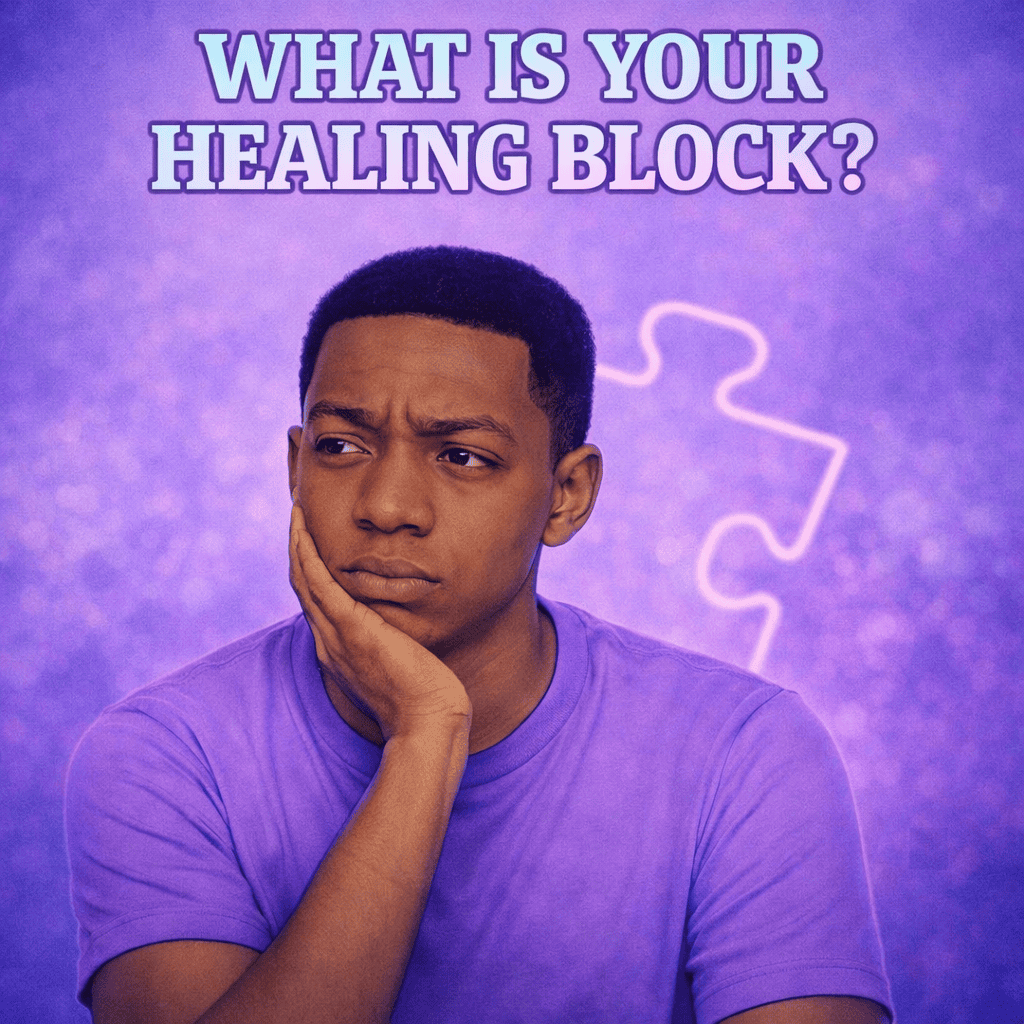
Self-reflection is powerful—but sometimes patterns are easier to recognize from a different perspective. Take our free Healing Block Quiz and discover what may be slowing your healing.
Self-Awareness Prompts
Self-awareness develops when you start paying attention to your thoughts, values, and personal patterns. Many people move through life responding to situations without ever questioning why they react the way they do. These self-reflection prompts encourage you to examine your identity, values, and behaviors so you can better understand the person you truly are.
10 Identity-Based Prompts
- What values matter most to you right now?
- How would you describe your personality without using anyone else’s opinion?
- What qualities do you genuinely appreciate about yourself?
- What situations bring out the best version of you?
- When do you feel disconnected from your authentic self?
- What boundaries help protect your emotional well-being?
- What goals reflect your true desires rather than outside expectations?
- What past experiences influenced how you see yourself today?
- What identity labels have you outgrown?
- What does living authentically look like for you?
Deep Self-Understanding Prompts
Deep self-understanding often comes from asking the questions we normally avoid. When you explore your emotional history, beliefs, and personal patterns, you begin to understand why certain experiences affected you the way they did. These journal prompts are designed to help you reflect more deeply on your story, your healing process, and the lessons you’re still uncovering.
10 Deep Processing Prompts
- What emotional wounds from the past might still influence your choices today?
- What patterns have you noticed in your relationships?
- What beliefs about love or trust formed from your past experiences?
- When do you find it hardest to trust your own judgment?
- What fears influence your biggest life decisions?
- What experiences helped you become emotionally stronger?
- What does forgiveness mean to you personally?
- What parts of your story have you avoided reflecting on?
- What would emotional healing realistically look like for you?
- If your future self could give you advice today, what would they say?
Ready for the Next Step?
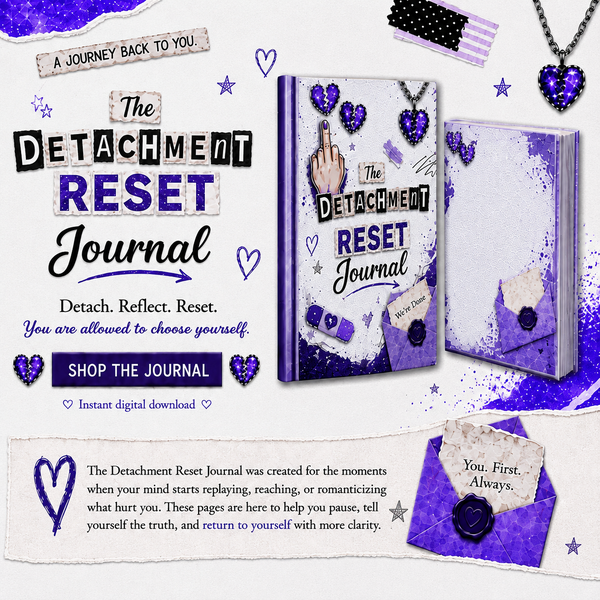
Ready to go beyond reflection? The Detachment Reset Journal helps you interrupt emotional loops, separate attachment from reality, and rebuild emotional clarity through guided prompts and exercises.
Overview
Self-reflection isn’t something you do once and suddenly understand everything about yourself.
It’s a practice.
And sometimes, if we’re being honest, it’s also a reality check.
Reflection forces you to notice patterns you may have ignored, beliefs you accepted without questioning, and emotional experiences you may have pushed aside.
Using journal prompts for self-reflection helps you slow down long enough to actually examine your thoughts instead of simply reacting to them.
Over time, this practice builds something incredibly valuable: clarity.
Clarity about your emotions.
Clarity about your patterns.
Clarity about who you are becoming.
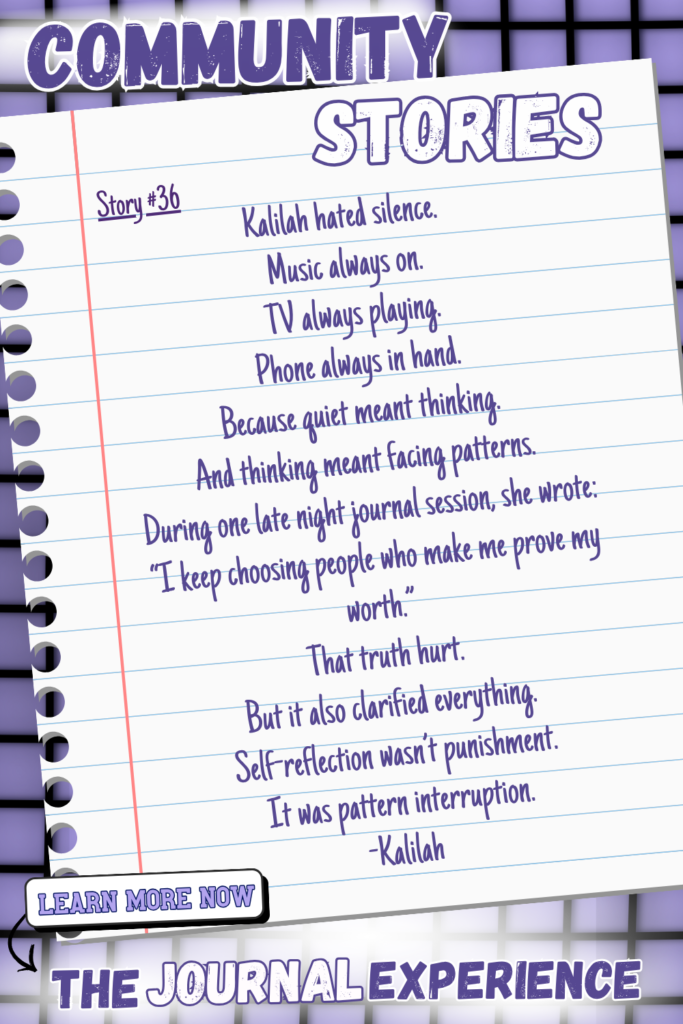
And the more clarity you develop, the easier it becomes to make decisions that actually align with your well-being.
If you’ve been reflecting deeply but still feel emotionally stuck, confused by recurring patterns, or unsure why certain wounds continue resurfacing, it may help to explore both the emotional barriers affecting your healing and the way you communicate and process emotions internally. You can take the “What’s Your Healing Block?” quiz to gain deeper insight into the unresolved fears, emotional habits, or survival responses impacting your growth. You can also explore the “What’s Your Emotional Communication Style?” quiz to better understand how your emotional experiences may be shaping the way you express yourself, process conflict, and connect with others.
If you want to continue exploring guided reflection, emotional healing, and personal growth through writing, explore the TJE Book Vault, where you’ll find journals and workbooks designed to help you process experiences, rebuild self-trust, and strengthen your identity.
Because self-understanding doesn’t happen by accident.
It happens when you finally start asking yourself better questions.