At some point, a lot of people start asking themselves a quiet but uncomfortable question: “Is my relationship actually healthy?”
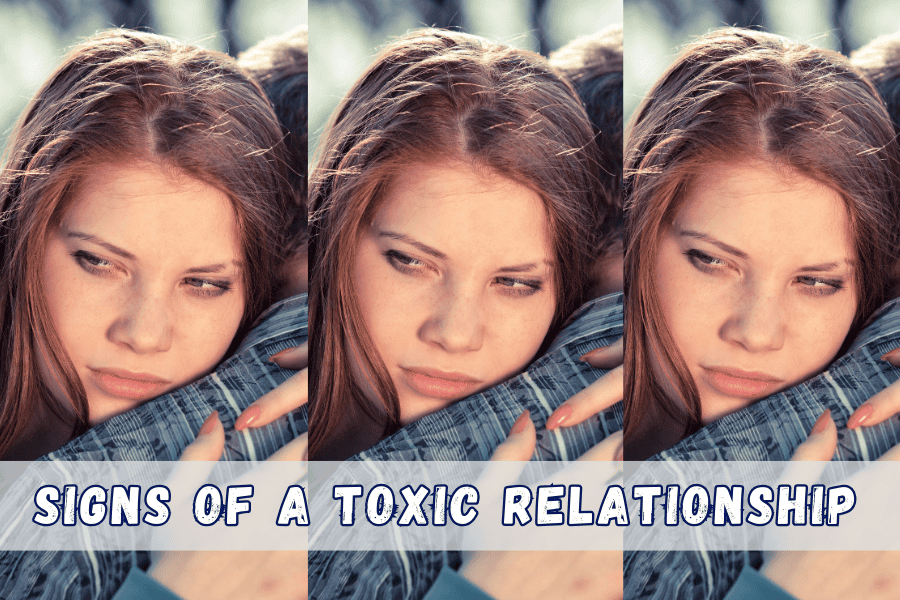
Not because of one big argument.
Not because of one bad day.
But because something about the relationship just doesn’t feel right anymore.
Maybe conversations always turn into blame. Maybe you feel drained after every interaction. Maybe you’ve started second-guessing your own feelings more than you used to.
People often dismiss these experiences by saying “every relationship has problems.” And that’s true to an extent. Normal relationships have disagreements, misunderstandings, and moments of frustration.
But there’s a clear difference between normal conflict and toxic relationship patterns.
Healthy conflict usually leads to resolution, understanding, or growth. Toxic dynamics tend to repeat themselves, escalate over time, and leave one person feeling confused, dismissed, or emotionally exhausted.
And sometimes, what people call “toxic behavior” is actually emotional abuse hiding behind everyday interactions.
If you’ve been questioning your relationship or trying to understand whether certain behaviors are normal or unhealthy, you’re not alone.
In this post, we’ll break down the most common signs of a toxic relationship, explain how emotional abuse can show up within these patterns, and explore what you can do if you’re starting to question whether your relationship is truly healthy.
What Are the Signs of a Toxic Relationship?
The signs of a toxic relationship are not always loud or dramatic. In many cases, toxic patterns start small and gradually become part of the relationship dynamic.
A healthy relationship should feel emotionally safe. That doesn’t mean you’ll never argue or disagree. But disagreements should not leave you feeling confused, belittled, or emotionally drained.
Toxic relationships, on the other hand, tend to create an environment where:
- your emotions are dismissed
- your confidence slowly erodes
- communication becomes manipulative
- conflict never truly gets resolved
Instead of feeling supported, you might begin to feel like you’re constantly managing someone else’s reactions.
And over time, that emotional weight becomes difficult to ignore.
Identifying Toxic Behaviors
Recognizing toxic relationship signs starts with identifying patterns rather than focusing on isolated events.
Everyone can make mistakes or have a bad day. But toxic behavior tends to repeat itself and often avoids accountability.
Below are several common toxic behaviors that frequently appear in unhealthy relationships.
Control Disguised as Care
At first, it might look flattering.
They want to know where you are.
Who you’re with.
What you’re doing.
It’s framed as concern.
You might hear things like:
- “I just care about you.”
- “I worry about your safety.”
- “I just want to make sure you’re okay.”
But slowly, the concern starts turning into control.
Now it’s:
- questioning your plans
- monitoring your decisions
- criticizing your independence
- making you feel guilty for doing things without them
Control often hides behind protective language, which makes it harder to recognize.
By the time the pattern becomes obvious, you may already be adjusting your behavior just to avoid arguments.
Blame-Shifting and Gaslighting
Another common sign of a toxic relationship is never being allowed to trust your own feelings.
You raise a concern about something that hurt you.
Instead of addressing it, the conversation shifts.
Now it’s about:
- how you misunderstood the situation
- how you’re being too sensitive
- how you’re actually the one causing the problem
Gaslighting often includes phrases like:
- “That never happened.”
- “You’re remembering it wrong.”
- “You’re overreacting.”
Over time, this can make people question their own memory and emotional responses.
Which, unfortunately, is exactly why gas lighting works.
Emotional Manipulation
Toxic relationships frequently involve emotional pressure used to control situations.
Manipulation can show up in different ways, including:
- guilt-tripping
- silent treatment
- dramatic emotional reactions
- making you responsible for their mood
Instead of resolving problems directly, manipulation creates a situation where you feel obligated to keep the peace.
And when you try to step back or express boundaries?
Suddenly you’re accused of being selfish or uncaring.
Isolation from Friends and Family
Healthy relationships usually expand your life.
Toxic relationships tend to shrink it.
Isolation doesn’t always happen through obvious demands.
Sometimes it begins with subtle comments like:
- “Your friends don’t understand our relationship.”
- “Your family is always judging me.”
- “Why do you need them when you have me?”
Over time, maintaining your outside relationships may start causing tension.
Eventually, you may find yourself seeing friends and family less often just to avoid conflict.
Isolation can make toxic relationships harder to leave because your support system slowly disappears.
Chronic Criticism or Belittling
Everyone deserves honest feedback in a relationship.
But there’s a difference between constructive communication and constant criticism.
Toxic partners often disguise insults as honesty.
Comments about your:
- appearance
- intelligence
- personality
- life choices
might be framed as “just being real.”
But when someone consistently undermines your confidence, it starts affecting how you see yourself.
And once self-esteem is weakened, unhealthy behavior becomes easier to tolerate.
Love Bombing Followed by Withdrawal
One of the most confusing toxic relationship patterns involves cycles of intense affection followed by emotional distance.
At the beginning, the relationship may feel overwhelming in a good way.
You might experience:
- constant attention
- excessive compliments
- fast emotional connection
- grand romantic gestures
Then suddenly, the energy changes.
Communication becomes inconsistent.
Affection disappears.
You’re left trying to figure out what went wrong.
Eventually the attention returns again, which creates relief.
But the cycle repeats.
This pattern can create emotional dependency because people begin chasing the return of the affection they experienced at the beginning.
Understanding Emotional Abuse Within Toxic Relationships
Toxic relationships and emotional abuse often overlap, though emotional abuse can be harder to recognize.
Unlike physical abuse, emotional abuse doesn’t leave visible evidence.
But its impact can be just as damaging.
What Emotional Abuse Looks Like
Emotional abuse involves behaviors meant to control or destabilize someone emotionally.
Examples include:
- humiliation
- intimidation
- manipulation
- constant criticism
- emotional neglect
These behaviors gradually affect confidence, emotional safety, and self-worth.
How Subtle Toxicity Escalates
Many toxic relationships don’t begin with obvious abuse.
Instead, the behaviors develop gradually.
For example:
- jealousy becomes surveillance
- criticism becomes humiliation
- disagreements become emotional punishment
Because the changes happen slowly, people often adapt to them without realizing how unhealthy things have become.
Why It’s Hard to Identify
Recognizing emotional abuse inside a toxic relationship can be difficult for several reasons.
People often remember the good moments.
Toxic partners may alternate between harmful behavior and affection.
And many people have been conditioned to believe that love requires sacrifice or suffering.
Unfortunately, that belief can make harmful patterns easier to excuse.
Seeking Relationship Advice — What To Do If You See These Signs
Realizing your relationship may be unhealthy can be overwhelming.
But awareness is often the first step toward making informed decisions.
Self-Assessment Questions
If you’re unsure whether your relationship is healthy, consider asking yourself:
- Do I feel safe expressing my emotions?
- Do disagreements lead to resolution or confusion?
- Do I feel respected or constantly criticized?
- Am I able to maintain independence and friendships?
- Do I frequently feel emotionally drained after interactions?
Honest answers to these questions can reveal patterns you might have been ignoring.
Boundary Testing
Setting boundaries can reveal a lot about relationship dynamics.
Healthy partners may not always love boundaries, but they will respect them.
Toxic partners often react differently.
They may:
- dismiss the boundary
- become angry
- guilt-trip you
- blame you for creating problems
How someone reacts to boundaries often reveals how much they respect you.
When to Seek Professional Help
Sometimes relationship situations are complicated enough that outside support can help.
Therapists, counselors, or relationship specialists can provide perspective and guidance.
Professional support may help individuals:
- process emotional confusion
- rebuild self-trust
- recognize unhealthy patterns
- develop healthier relationship expectations
Seeking help is not a failure.
It’s a step toward clarity.
When It’s Time to Leave
Sometimes the healthiest option is to walk away.
If a relationship involves:
- consistent emotional harm
- repeated manipulation
- refusal to acknowledge toxic behavior
- constant boundary violations
then staying may only prolong the damage.
Leaving a toxic relationship can be difficult.
But remaining in one often slowly erodes emotional stability and self-confidence.
Improving Relationship Health — If You’re Not Ready to Leave
Not everyone is ready to end a relationship immediately.
And in some cases, change may be possible.
But genuine improvement requires more than promises.
Repair vs. Pattern
One apology doesn’t fix a pattern.
Healthy repair involves:
- acknowledging harmful behavior
- taking responsibility
- making consistent behavioral changes
If the same issues continue repeating, it may not be repair.
It may simply be a cycle.
Accountability Checklist
A partner who is genuinely working to improve the relationship will:
- listen without dismissing concerns
- take responsibility for mistakes
- respect boundaries consistently
- demonstrate real behavioral change over time
Without accountability, promises rarely turn into progress.
What Healthy Change Actually Looks Like
Healthy change tends to include noticeable improvements, such as:
- more open communication
- emotional consistency
- mutual respect
- shared responsibility for resolving conflict
If these changes never appear, it may be a sign the relationship cannot become healthy.
Overview
Recognizing the signs of a toxic relationship can be uncomfortable, especially when those patterns develop gradually.
Some of the most common toxic behaviors include:
- control disguised as care
- blame-shifting and gaslighting
- emotional manipulation
- isolation from friends and family
- chronic criticism or belittling
- cycles of love bombing followed by emotional withdrawal
These patterns often overlap with emotional abuse, which can slowly undermine confidence and emotional stability.
If you’re questioning your relationship, that instinct is worth listening to.
Clarity often begins with awareness.
If this post made you reflect on relationship patterns that have left you feeling emotionally confused, attached, or unsure of what was real, you may find deeper insight through the “Is It Love, Trauma, or a Lesson?” quiz. It’s designed to help you better understand whether your relationship experiences reflect healthy love, emotional trauma, or cycles that may be impacting your healing and self-trust.
And if you’re trying to understand toxic relationship patterns, rebuild your confidence, or process your experiences, The Journal Experience offers quizzes, reflection tools, and healing resources designed to help you navigate the process with greater clarity.
Because healthy relationships should never leave you constantly wondering whether you’re the problem.