Relationship red flags are the quiet warnings we often sense before we can fully explain them. They show up as uneasy feelings, inconsistent behavior, confusing communication, or moments where something just doesn’t feel right—but when you want love to work, it’s easy to overlook them. Hope, attachment, chemistry, and emotional investment can make you downplay what your intuition is clearly trying to signal.
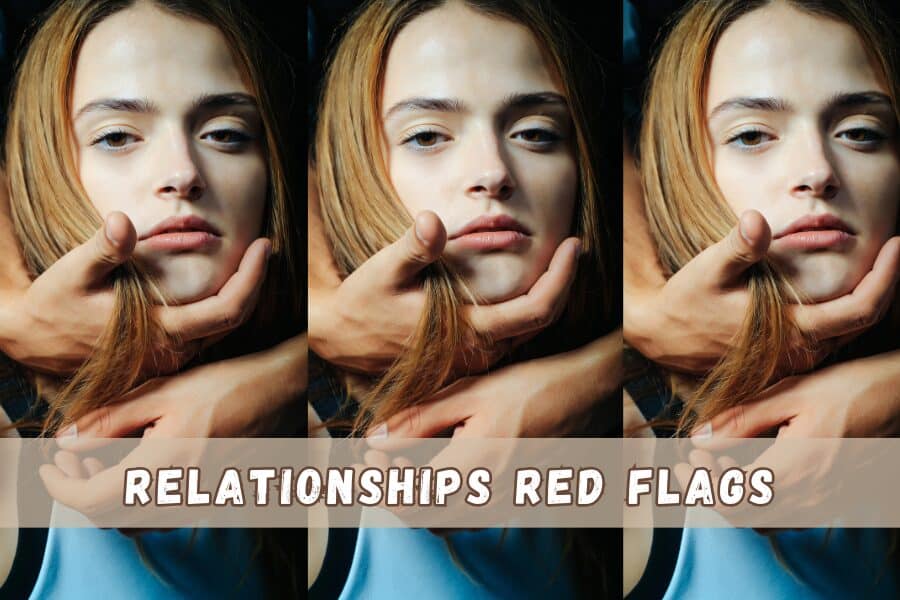
This post is all about helping you identify relationship red flags with clarity, understand why they’re so easy to miss, and learn how recognizing them early protects your emotional well-being, self-confidence, and peace of mind. You’ll explore the difference between normal relationship challenges and true warning signs, the subtle patterns that reveal deeper emotional issues, and what to do when you realize something isn’t aligned with your emotional safety.
What Are Relationship Red Flags?
Relationship red flags are repeating patterns of behavior, communication, or emotional responses that signal potential harm, imbalance, or emotional instability. They are not occasional bad moods, misunderstandings, or moments of stress—they are consistent behaviors that leave you feeling confused, minimized, anxious, or unsure of yourself over time.
Red Flags vs. Normal Disagreements
Not every conflict is a red flag, and not every uncomfortable moment means something is wrong. Healthy relationships still involve misunderstandings, emotional reactions, and moments of tension—because two humans with different experiences are trying to coexist. The key difference is what happens after the disagreement. In healthy dynamics, conflict leads to communication, accountability, and repair. You may feel uncomfortable, but you still feel emotionally safe.
Relationship red flags, however, follow a different pattern. Instead of growth, there is control. Instead of resolution, there is confusion. Instead of safety, there is fear, self-doubt, or emotional instability. Red flags reflect ongoing behavioral patterns, not isolated bad days. They show you how power is being used in the relationship—and whether your emotional well-being is being protected or slowly eroded.
A disagreement challenges the relationship.
A red flag threatens your sense of self.
That distinction is what makes emotional abuse so difficult to recognize—because it often hides inside everyday conflict until the damage has already taken root.
Normal disagreements include:
- Open communication
- Willingness to listen
- Accountability on both sides
- Effort to repair after conflict
Red flags involve:
- Repeated defensiveness
- Avoidance of responsibility
- Emotional shutdown
- Blame shifting
- Invalidating your feelings
Conflict becomes a red flag when it consistently damages your emotional safety instead of strengthening understanding.
Why They Matter for Emotional Safety
Relationship red flags aren’t about being picky — they’re about protecting your emotional safety before harm becomes your normal. Emotional safety is what allows you to speak freely, set boundaries, and feel secure being yourself in a relationship. When it’s missing, even small interactions can start to feel tense, confusing, or draining.
Your nervous system often recognizes danger before your mind does. You may feel anxious without knowing why, emotionally on edge during conversations, or worn down after interactions that should feel neutral. Over time, ignoring red flags weakens self-trust and makes unhealthy dynamics feel familiar.
Noticing red flags early gives you the chance to protect your peace before deeper emotional damage forms. Emotional safety isn’t perfection — it’s knowing your feelings won’t be punished, your boundaries won’t be dismissed, and your reality won’t be denied.
- Chronic anxiety
- Self-doubt
- Hypervigilance
- Trauma bonding
- Emotional burnout
- Loss of identity inside relationships
Your nervous system often recognizes danger before your logic does. Learning to listen to it is an act of self-protection.
Early Warning Signs You Should Never Ignore
Early warning signs are often subtle, easy to dismiss, and even easier to excuse when you care about someone. They don’t always arrive as obvious harm—they show up as discomfort you talk yourself out of, moments you minimize, or behaviors you explain away with empathy. Many survivors look back and realize their intuition noticed the red flags long before their logic allowed it.
These early signs matter because emotional abuse rarely starts at full intensity—it grows as boundaries are tested and crossed. What feels “small” in the beginning can become the very pattern that later causes deep emotional harm. Learning to recognize these warning signs is not about being fearful—it’s about learning to trust what your body and emotions are already trying to tell you.
1. Hot-and-Cold Affection
Affection that fluctuates unpredictably keeps you emotionally off balance. One day they’re attentive and warm, the next they’re distant and withdrawn. This inconsistency creates emotional confusion and trains you to chase reassurance.
2. Avoidance or Emotional Deflection
When you try to discuss issues and they:
- Change the subject
- Shut down
- Get defensive
- Disappear emotionally
This teaches you that your needs are inconvenient or unsafe to express.
3. Dismissive or Belittling Comments
Comments framed as “jokes” that chip away at your confidence are still harmful. Being teased for your emotions, boundaries, or needs slowly conditions you to shrink.
4. Rushing Intimacy Too Quickly
Fast emotional bonding can feel exciting, but it often bypasses true trust-building. When intimacy develops before emotional safety, it can create false closeness that later becomes unstable.
5. Boundary Testing
They push past your comfort level in subtle ways:
- Applying pressure
- Making you feel guilty
- Ignoring your “no”
Over time, your boundaries weaken.
6. Inconsistent Communication
Unpredictable texting, disappearing acts, or frequent emotional withdrawal create a constant state of anticipation and anxiety.
Subtle Behavior Patterns That Reveal Deeper Issues
Not all warning signs arrive as obvious harm. Many of the most damaging patterns begin quietly, hidden inside everyday interactions that seem harmless on the surface. These subtle behaviors are often overlooked because they don’t feel severe enough to confront—andbecause they’re easy to rationalize as stress, miscommunication, personality differences, or “just how they love.”
What makes these patterns so dangerous is not their intensity at first, but their consistency over time. Repeated small behaviors can slowly reshape your sense of normal, teaching you to tolerate discomfort, confusion, and self-doubt as part of connection. Survivors often say they didn’t recognize the danger because nothing ever felt “bad enough” in the beginning—it just felt off.
These subtle patterns matter because they often reveal the deeper emotional dynamics at play: control, avoidance, insecurity, entitlement, or lack of empathy. Learning to notice them doesn’t mean becoming suspicious of everyone—it means learning to trust your internal cues before harm becomes entrenched.
1. Passive-Aggressive Communication
Instead of expressing feelings directly, they use:
- Sarcasm
- Silent treatment
- Withholding affection
- Subtle jabs
This creates confusion and emotional insecurity.
2. Vague or Inconsistent Effort
They talk about commitment but avoid clarity. Plans feel undefined. Promises remain open-ended. You find yourself emotionally preparing for a future that never quite arrives.
3. Always Leaving You Unsure Where You Stand
You constantly ask:
- “Do they care?”
- “Where is this going?”
- “Am I expecting too much?”
Emotional safety includes clarity. Confusion is not neutrality—it’s information.
4. Defensiveness Over Curiosity
Instead of trying to understand your feelings, they immediately defend themselves. This blocks emotional growth and prevents repair.
5. Lack of Accountability
They rarely apologize sincerely, and when they do, it feels rushed or dismissive. Emotional responsibility is consistently avoided.
6. Control Disguised as Concern
They monitor your choices, question your independence, or subtly restrict your freedom under the excuse of care.
Why It’s Hard to Notice Red Flags in the Moment
Recognizing red flags often requires confronting uncomfortable truths about both the relationship and ourselves.
1. Normalizing Dysfunction
If you grew up with emotional inconsistency, chaos, or neglect, unhealthy behavior can feel familiar—even when it hurts.
2. Attachment Patterns
Anxious attachment can make you cling tighter when red flags appear. Avoidant partners can make inconsistency feel like a challenge instead of a warning.
3. Hoping They’ll “Go Back to Who They Were”
You may hold onto early versions of them and believe effort or patience will bring that version back. But patterns—not promises—show who someone truly is.
How to Respond When You Notice Red Flags
Recognizing red flags doesn’t mean acting impulsively. It means responding with clarity, boundaries, and self-respect.
Self-Reflection
Ask yourself:
- Do I feel emotionally safe here?
- Am I shrinking to keep the peace?
- Am I constantly anxious or uncertain?
- Do I trust myself more outside of this relationship than inside it?
Truth doesn’t shame—it clarifies.
Communicating Needs
Healthy communication includes calm honesty:
- “This behavior doesn’t feel safe for me.”
- “I need emotional consistency.”
- “When this happens, it impacts me deeply.”
How someone responds to your vulnerability reveals their emotional capacity.
When Distance Becomes Necessary
If the red flags remain after communication, distance becomes protection—not punishment. Walking away from repeated emotional harm is an act of self-respect.
Overview
Noticing relationship red flags is not about being guarded, negative, or closed off. It’s about learning to prioritize emotional safety over emotional intensity. Red flags don’t appear to ruin your happiness—they appear to prevent long-term emotional damage.
You don’t need proof that something is wrong to honor your feelings. You don’t need permission to leave situations that consistently make you feel small, anxious, or unseen. Your intuition is not dramatic—it is protective.
As you continue your healing journey, begin to focus on:
- Consistency over chemistry
- Clarity over confusion
- Safety over attachment
Healthy love doesn’t require self-abandonment.
Your Next Step With The Journal Experience
If this post resonated with you, The Journal Experience exists to support your clarity, healing, and emotional growth. Through reflection tools, journaling prompts, and guided emotional insight, we help you:
- Rebuild self-trust
- Understand relationship patterns
- Strengthen boundaries
- Heal after emotional confusion
Subscribe to The Journal Experience newsletter for weekly insight, healing-focused prompts, and emotional clarity resources designed to help you protect your peace and choose yourself with confidence.
